A pasta die is a production component, not simply another interchangeable machine accessory. Your decision depends on product demand, extruder compatibility, die life, cleaning time, and the cost of lost production when a mismatched or damaged die stops the line. By the end, you can compare quotations, complete a fit check, and decide how many dies your unit actually needs.
Key takeaways
- Calculate payback from volume, changeovers, and the shapes you will sell.
- Match die diameter, bolt pattern, core, and extrusion pressure to your machine.
- Compare die material, finish, cooling, maintenance, and included tooling—not price alone.
- Start with proven high-demand shapes before buying a large die collection.
What a Pasta Die Does—and When It Pays for Itself
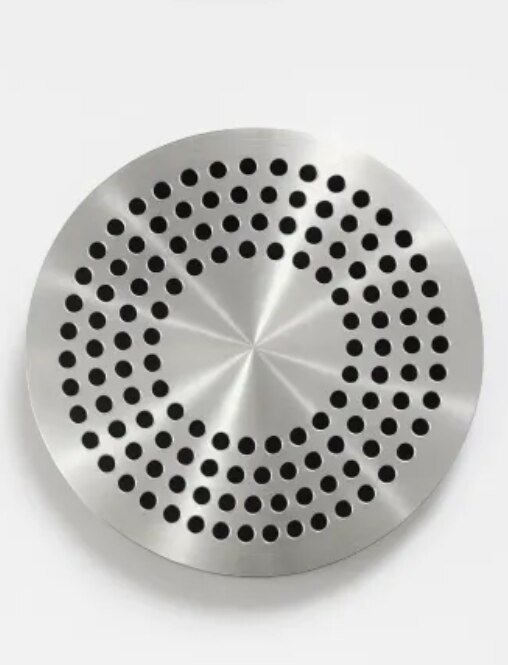
A pasta die is the shaped plate that turns compressed dough into a defined pasta cross-section. The extruder screw pushes dough through openings in the die; a central core creates hollow products such as macaroni, while the opening profile forms spaghetti, fusilli or other shapes.
The cutter then determines piece length, especially for penne, and drying preserves the shape after extrusion.
Buying becomes worthwhile when your product range is stable and the die will run frequently. Calculate the die cost divided by the saleable kilograms produced during its service life, then add cleaning labour, replacement parts and lost production during repairs.
A cheap die that clogs or takes an hour to dismantle can cost more than a costlier, serviceable die.
For a small unit, buy when these conditions are true:
- One or two shapes already have repeat orders rather than untested demand.
- The die matches your extruder pressure, screw diameter, holder and cutter.
- You have a documented method for removing retained dough, drying the channels and storing the die.
- The supplier confirms replacement inserts or blades, repair support and a practical return process after an actual-dough trial.
A buyer searching for pasta machine dies for small production unit in Noida should also compare lead time and stoppage risk. One reliable main die plus a spare often pays back sooner than a shelf of rarely used shapes.
How to Check Die Compatibility Before You Place an Order
Do not approve a die from catalogue photographs. Send the supplier your extruder make and model, then request a trial using your actual dough at the intended production rate.
- Die-holder drawing or photographs showing outside diameter, bore, recess depth, sealing face and locking method
- Screw diameter, available die-opening area, operating pressure and product outlet clearance
- Dough formulation, hydration, ingredients, temperature and batch size
- Target output in kilograms per hour and required piece length
- Cutter make, blade position, cutting speed, cutting angle and available cooling or water-circulation connections
A matching outside diameter proves very little. A die with the wrong bore or locking arrangement can leak, deform, or sit off-centre; an undersized outlet area can raise pressure and produce uneven strands.
| Product | Die detail to confirm | Cutter detail to confirm |
|---|---|---|
| Spaghetti | Hole diameter and outlet count | Speed and strand-cut setting |
| Macaroni | Die-and-core dimensions | Cut length and blade clearance |
| Penne | Tube wall, hole and core geometry | Blade angle, position and speed |
| Fusilli | Spiral channel pitch and depth | Cut timing and discharge clearance |
For pasta extruder dies for small business, ask for a sample run with your flour blend and moisture level, not an empty-die dimensional check. Weigh saleable output, inspect the cross-section, and record pressure and cutter settings.
Confirm dismantling tools, cleaning access, drying time and storage instructions before ordering. Dough trapped in intricate channels can erase the capacity gained from a faster die.
Material and Geometry: Why Two Dies Make Different Pasta
Bronze, polymer, stainless-steel and composite dies produce different surfaces, pressures and cleaning workloads; none is universally best.
Bronze usually leaves a rougher, matte surface that grips sauce well, but its texture can hold dough residue and demand more thorough cleaning. PTFE or other food-contact polymer inserts reduce friction and produce smoother, glossier pasta, which can lower extrusion effort while changing sauce adhesion and cooking behaviour.
Stainless steel offers corrosion resistance and straightforward sanitation, but “stainless steel” alone is inadequate: request the alloy grade, surface finish and food-contact declaration. Composite dies combine a metal body with polymer inserts, so they can balance rigidity and low friction; inspect insert wear and replacement arrangements before buying.
Hole geometry changes output as much as material. A long land length stabilises strand formation but raises pressure; a short land reduces resistance but can produce less defined edges. Hole diameter sets strand size, while tapered entries, sharp corners, ridges and internal relief shape surface texture and hollow sections.
More holes increase output only when the extruder, dough and cutter can handle the added flow.
Match the geometry to hydration, flour particle size, gluten strength, dough temperature and vacuum mixing. A die proven on firm, durum-heavy dough can crack or surge with softer dough. Ask for a trial using your formulation, plus cleaning instructions and wear limits; a catalogue photograph cannot reveal pressure demand or surface finish.
How to Compare Pasta Dies Price in Noida Without Comparing Like With Unlike
Two quotes for pasta dies price in Noida are comparable only when they specify the same shape, dimensions, material and performance. A low headline price can exclude freight, GST, trial tooling, cutter changes or replacement inserts.
| Quotation item | Why it changes price | What to compare |
|---|---|---|
| Die diameter and hole geometry | Larger bodies, complex profiles and hollow shapes require more machining | Extruder fit, cross-section and hole count |
| Bronze, polymer insert or stainless steel | Material affects machining, wear and surface finish | Material grade, insert count and replacement cost |
| Local or imported construction | Import freight, lead time and service affect the delivered cost | Taxes, dispatch terms and repair support |
| Cutter compatibility | Penne and cut shapes need matching blade position and speed | Cutter changes, trial output and blade availability |
Request an itemised quotation covering die machining, inserts, taxes, freight, sample production and warranty. Give the supplier your extruder model, die-holder dimensions, formulation, target output and cutter details. Require measurable acceptance terms: product tolerance, kilograms per hour, strand breakage, surface finish and expected life under your dough.
Calculate real cost as:
(die price + freight + taxes + trials + planned inserts and repairs + cutter changes + production downtime) ÷ saleable kilograms produced over its service life.
A die costing less per unit becomes expensive if it cracks, produces waste or waits weeks for a replacement insert. Confirm manufacturing lead time, return terms and repair capability before choosing the lowest pasta dies price in Noida. Compare the cost per saleable kilogram, not the invoice alone.
How Many Dies Should a New Unit Buy—and Who Should Supply Them?
Start with two or three dies, not a catalogue. Choose shapes that match confirmed orders for the next three months. Macaroni, spaghetti, penne, fusilli and filled pasta need different tooling; penne also needs a compatible cutter.
Before you buy pasta machine dies in noida, send the supplier your extruder make and model, die-holder dimensions, formulation, target output and cutter details.
| Launch choice | Die set | Use it when |
|---|---|---|
| Lean launch | Two dies | One core shape and one secondary shape have regular orders |
| Balanced launch | Three to five dies | You have repeat demand across hollow, strand and cut products |
| Experimental launch | One standard die | You are still testing recipes, shapes or market demand |
Request a sample run with your actual dough. Catalogue photographs and an empty-die dimensional check will not reveal pressure problems, poor cutting or excessive cleaning time. Calculate die cost against saleable kilograms produced during its service life, not against the purchase price alone.
Ask every Noida supplier for:
- Stock status or manufacturing lead time, replacement inserts and cutter blades
- A written trial-approval and return process if the agreed sample fails
- Dispatch terms, tax invoice details and reverse-logistics responsibility
- Dismantling tools, cleaning instructions, drying time and storage method
If you approach Shan Engineerings Works, provide the same machine and dough data before requesting a quotation; that lets you compare technical fit rather than headline price. A local supplier is worth choosing when replacement parts and repair support prevent a small die failure from stopping production for days.
Related product
 | Pasta Machines Dies Our premium pasta machine dies are engineered for high-performance commercial pasta production, delivering perfect shapes and smooth extrusion for... View product → |
Frequently asked questions
When does a pasta die pay for itself in a small production unit?
Calculate payback from the die cost against the margin from the pasta volume it produces. Include changeover time, cleaning, rejects, maintenance, and the sales value of the shape before deciding.
How do I check pasta die compatibility before ordering?
Confirm the extruder’s die diameter, mounting or bolt pattern, thread, central core arrangement, dough pressure, and product dimensions. Send the supplier your machine model and a drawing or photographs of the existing die connection.
Why do two pasta dies produce different results?
Die material, surface finish, opening geometry, taper, thickness, and core alignment affect pressure, texture, definition, and cutting behaviour. The same dough recipe can produce different results through different dies.
How should I compare pasta dies price in Noida?
Compare the quoted material, die size, shape complexity, finish, core, cooling arrangement, machining tolerance, spare parts, testing, taxes, delivery, and warranty. A lower price is not equivalent when these inclusions differ.
How many pasta dies should a new unit buy?
Start with the shapes that match confirmed customer demand and your extruder’s capacity. Add specialist shapes after you measure sales, changeover time, cleaning effort, and reject rates.
Keywords